 Economics 101
What Is GDP? Gross Domestic Product Explained
Gross Domestic Product (GDP) is the total monetary value of all finished goods and services produced inside a country’s borders during a specific period, usually a quarter or…
The macro toolkit. GDP, inflation, recession, interest rates, the dollar index, the yield curve, bonds, and the efficient market hypothesis.
Economics 101
Gross Domestic Product (GDP) is the total monetary value of all finished goods and services produced inside a country’s borders during a specific period, usually a quarter or…
 Economics 101
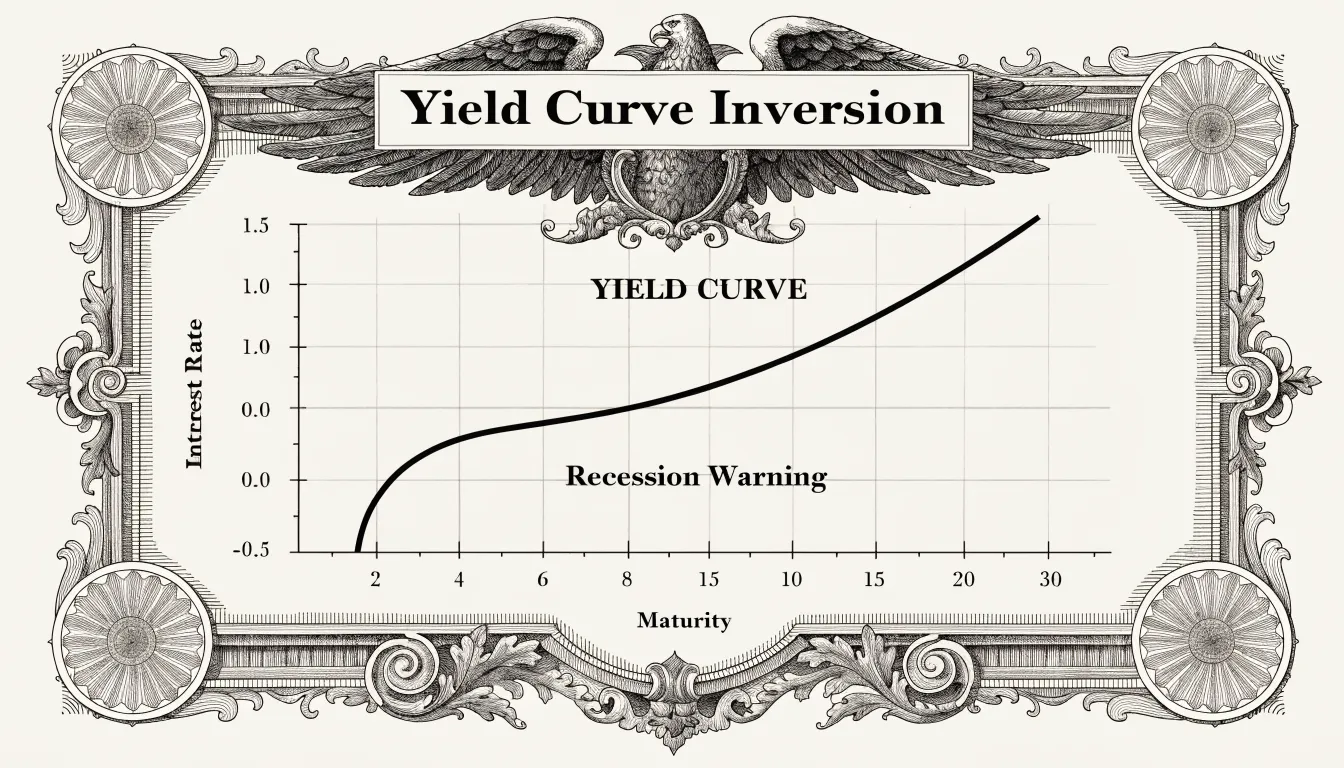
The yield curve is a graph that plots the interest rates of US Treasury bonds across the maturity spectrum, from the 1-month bill out to the 30-year bond.…
 Economics 101
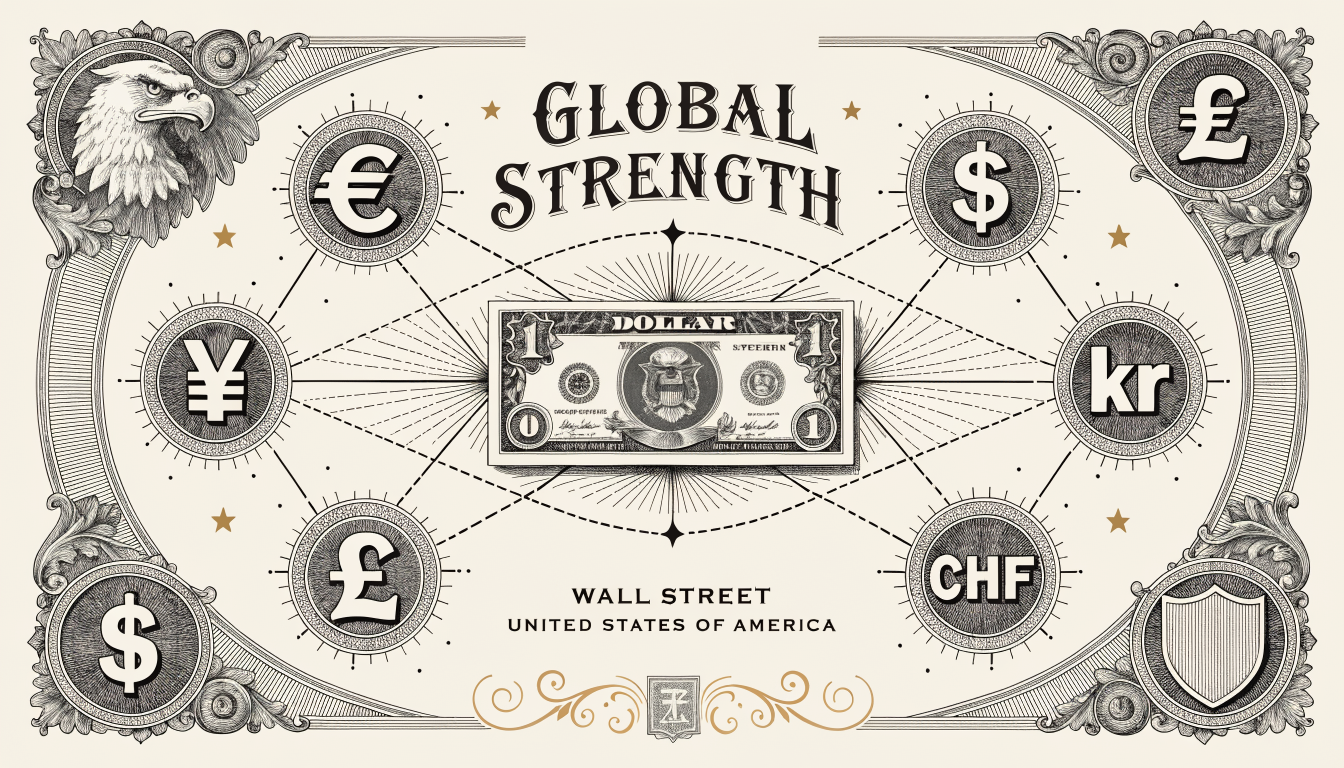
The US Dollar Index (DXY) measures the value of the US dollar against a basket of six major foreign currencies. It was created in March 1973, in the…
 Economics 101
A recession is a significant, broad-based decline in economic activity lasting more than a few months. The popular shorthand — two consecutive quarters of negative GDP growth —…
 Economics 101
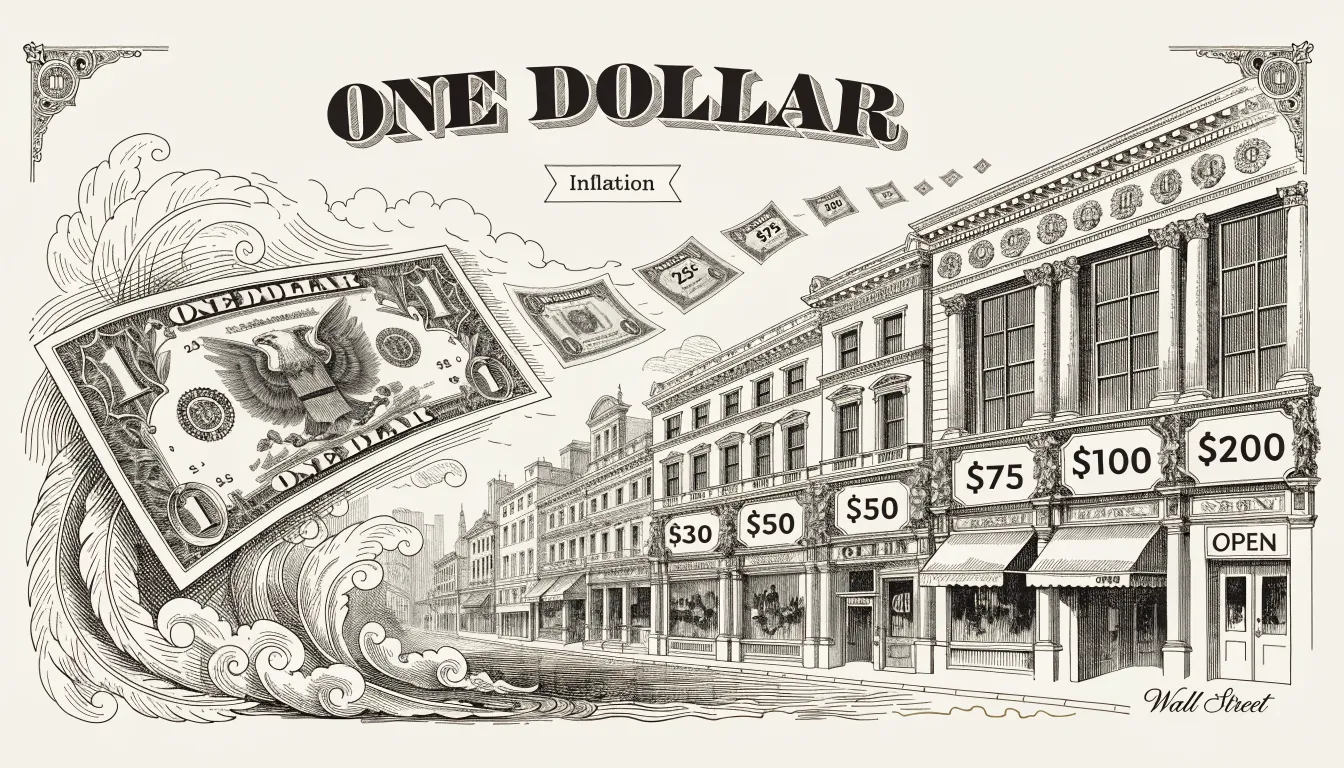
Inflation is the rate at which the general price level of goods and services rises over time, eroding the purchasing power of money. At a 3% annual rate,…
 Economics 101
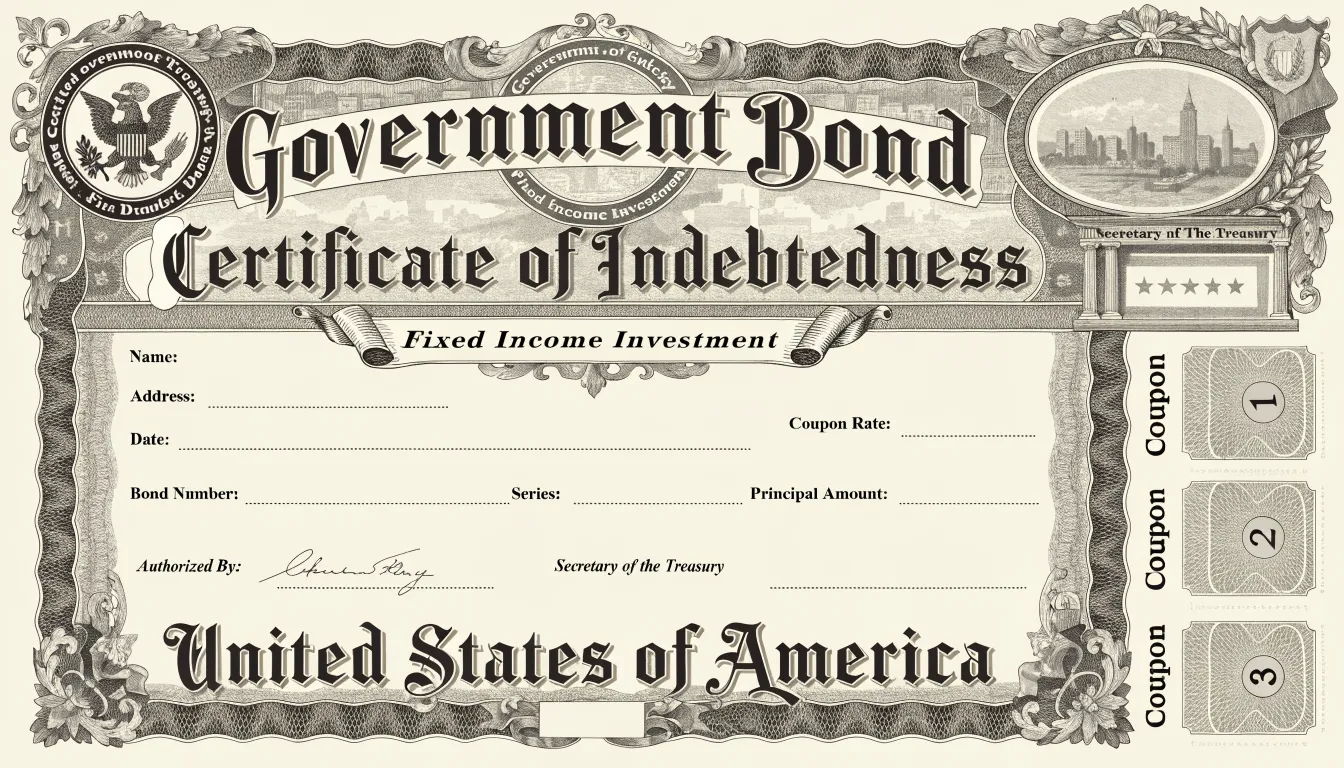
A bond is a loan extended to a government or a corporation. The buyer is the lender; the issuer is the borrower. In return, the issuer pays scheduled…
 Economics 101
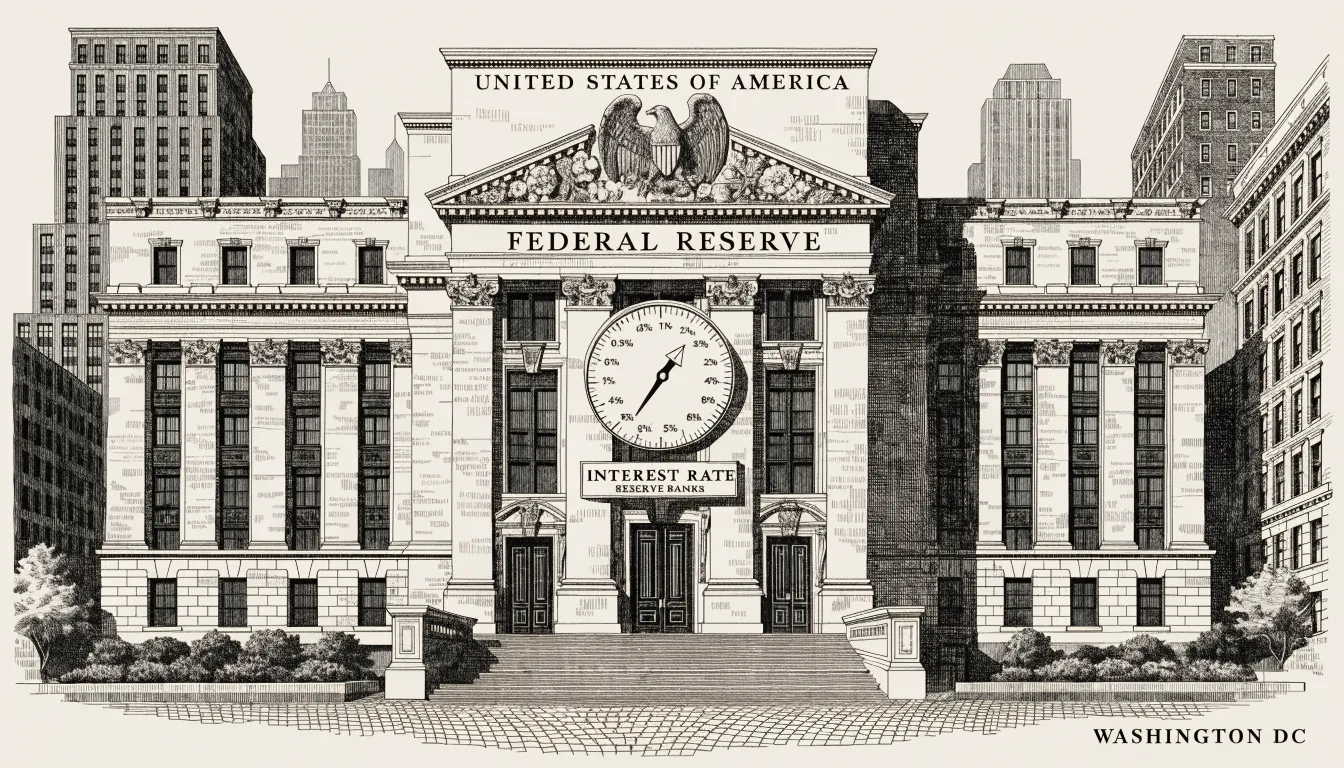
The Federal Reserve is the central bank of the United States, and the rate decisions taken by its Federal Open Market Committee determine, in the round, how capital…
 Economics 101
The Efficient Market Hypothesis (EMH) states that asset prices reflect available information, with the consequence that systematically generating excess returns through technical analysis, fundamental analysis, or any other…