 Stock Trading Encyclopedia
Fundamental Analysis
Fundamental analysis is the practice of valuing a stock by studying the underlying business rather than the price chart. Where technical analysis reads price and volume, fundamental analysis…
An A-to-Z reference of stock-market terms, ratios, instruments, and structures. Written for traders who want to know what the words actually mean.
Stock Trading Encyclopedia
Fundamental analysis is the practice of valuing a stock by studying the underlying business rather than the price chart. Where technical analysis reads price and volume, fundamental analysis…
 Stock Trading Encyclopedia
The phrase insider trading describes two distinct activities that share almost nothing except a name, and the analyst’s first task on encountering the term is to determine which…
 Stock Trading Encyclopedia
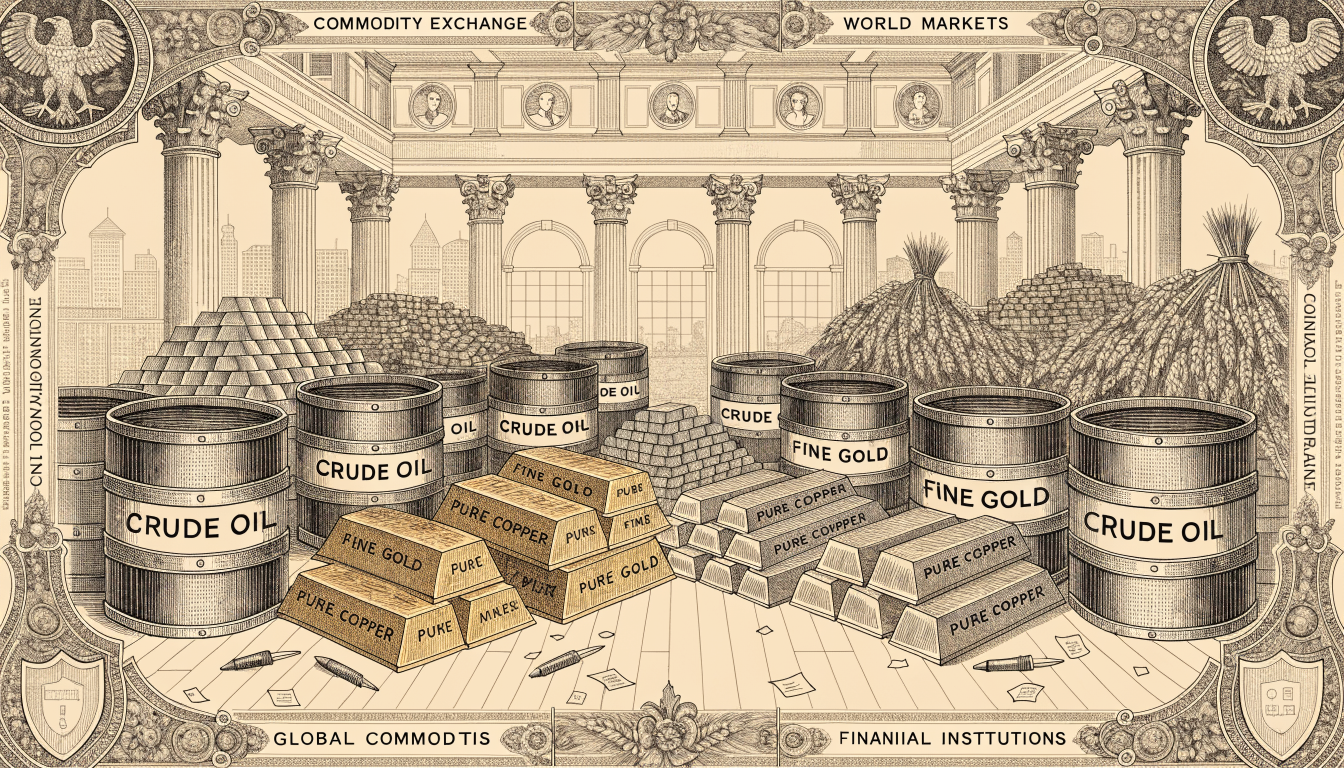
A commodity is a raw material or primary agricultural product that trades on the basis of being interchangeable with every other unit of the same grade — a…
 Stock Trading Encyclopedia
Due diligence is the analytical work performed on a company before capital is committed to its stock, and in equity research practice it is the substance of the…
 Stock Trading Encyclopedia
A Real Estate Investment Trust (REIT) is a corporate structure, codified in U.S. tax law in 1960, that allows a company owning income-producing real estate to pass nearly…
 Stock Trading Encyclopedia
A stock buyback, also called a share repurchase, is the transaction by which a company uses corporate cash to retire its own shares from the open market, reducing…
 Stock Trading Encyclopedia
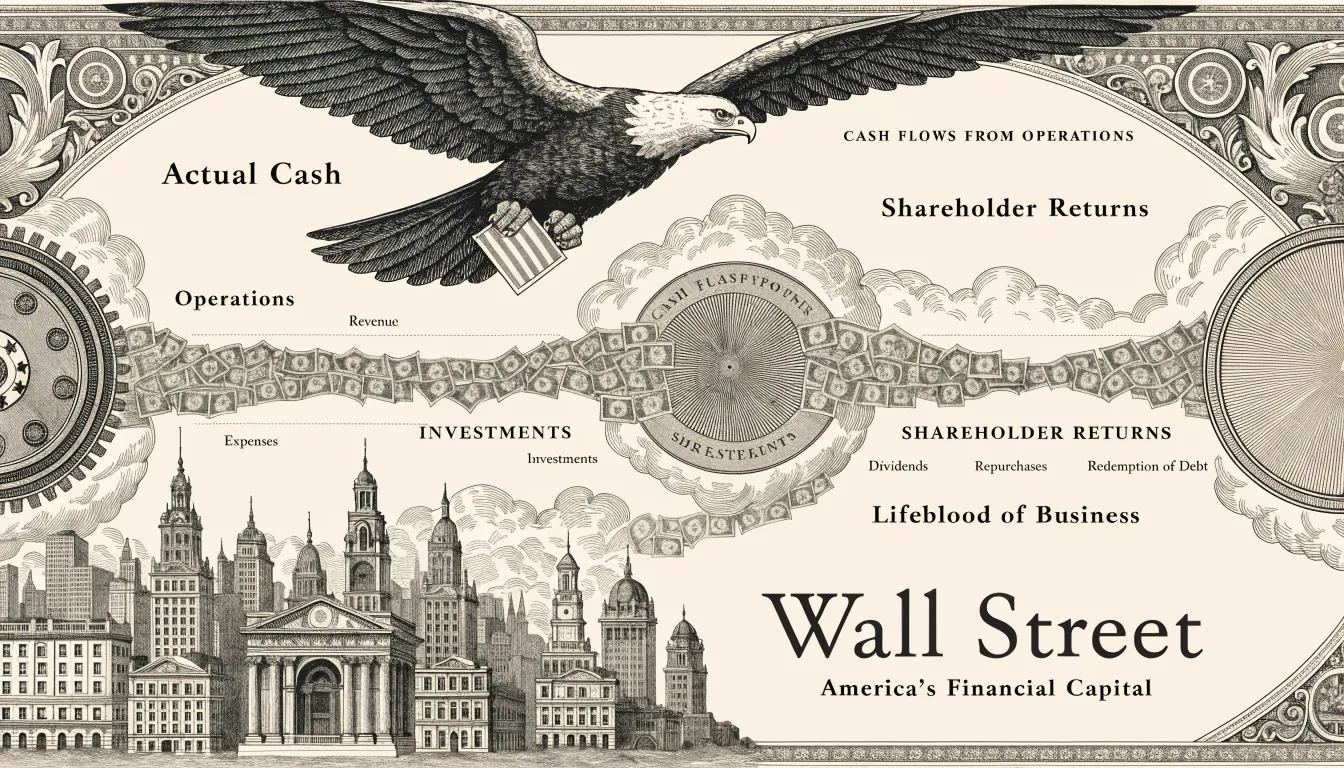
The cash flow statement is the third of the three core financial statements, alongside the balance sheet and the income statement, and in the analyst’s practice it is…
 Stock Trading Encyclopedia
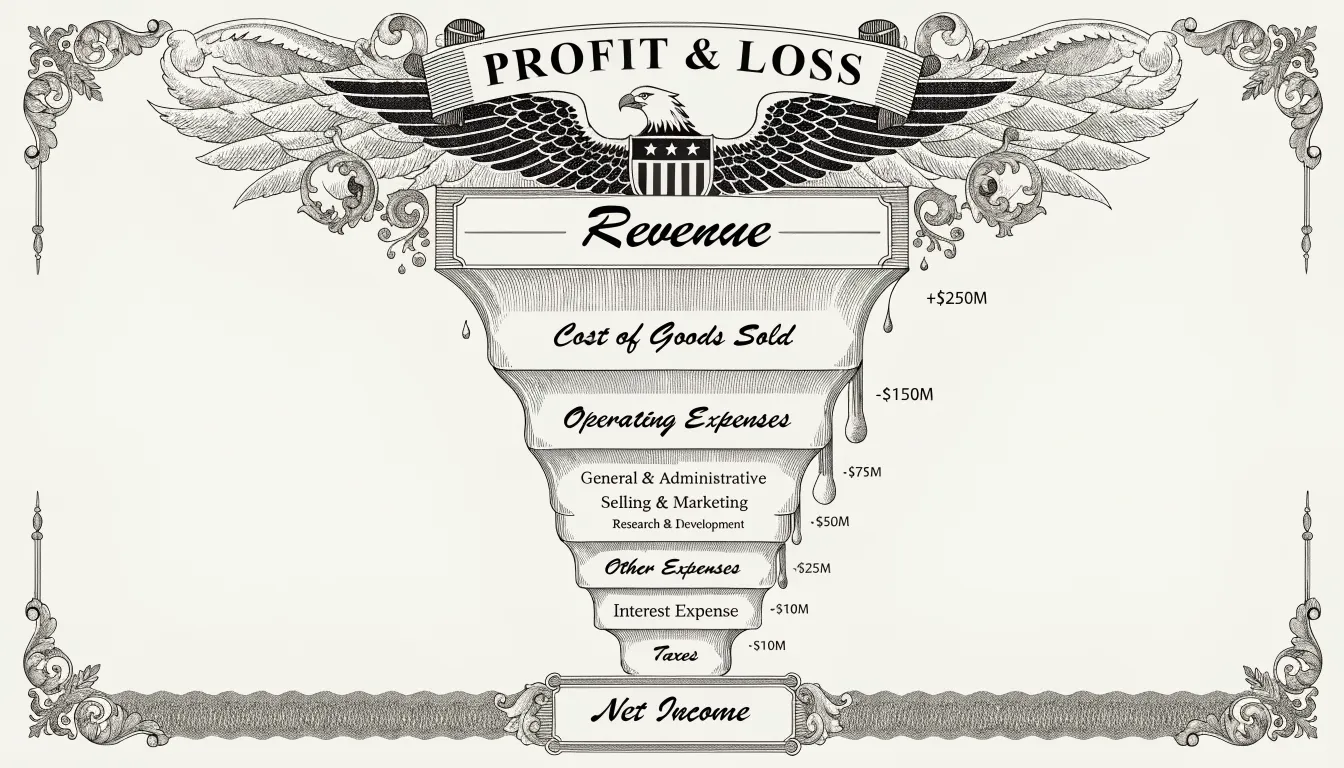
The income statement, also called the profit and loss statement or P&L, reports how much a company earned and what it spent over a defined period — usually…
 Stock Trading Encyclopedia
A mutual fund is a way for a lot of ordinary people to own a small piece of fifty, or a hundred, or five hundred companies at once,…
 Stock Trading Encyclopedia
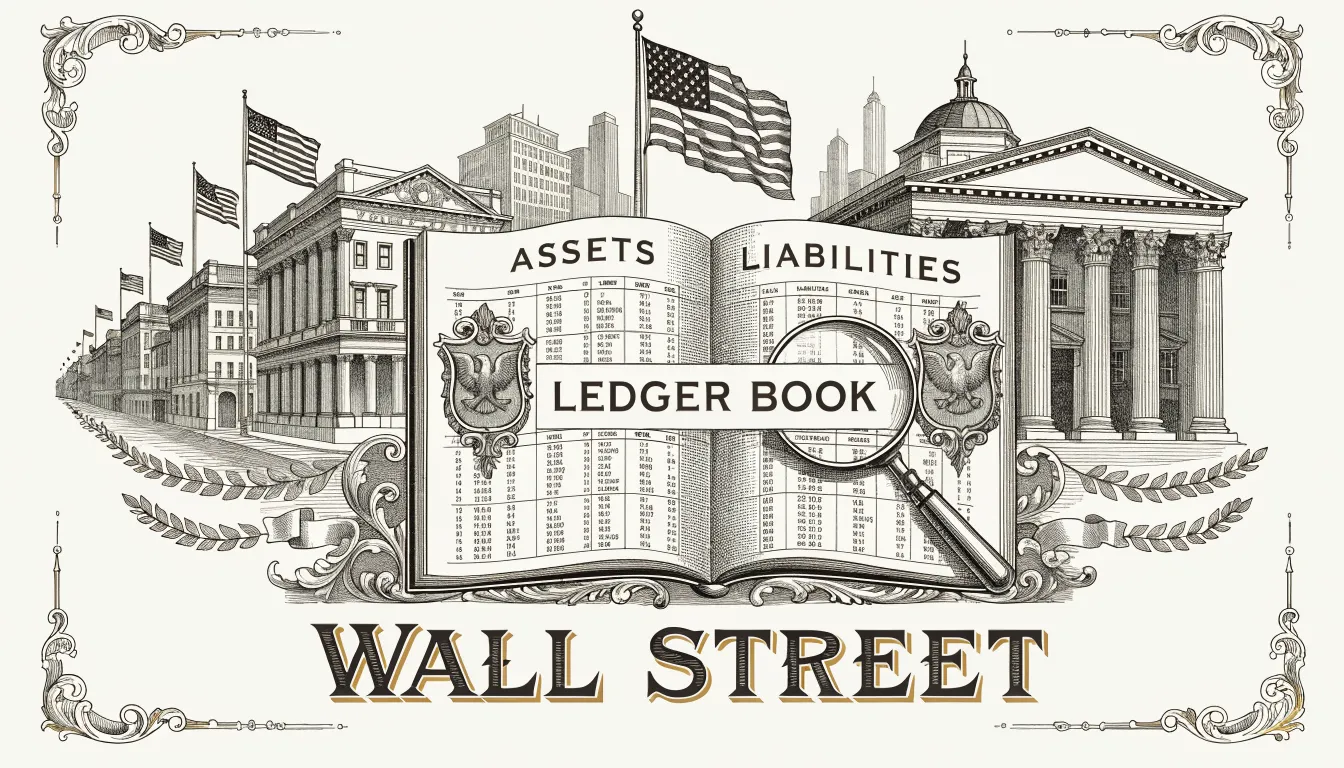
The balance sheet is one of the three financial statements that every publicly traded company in the United States must file with the SEC each quarter; the income…
 Stock Trading Encyclopedia
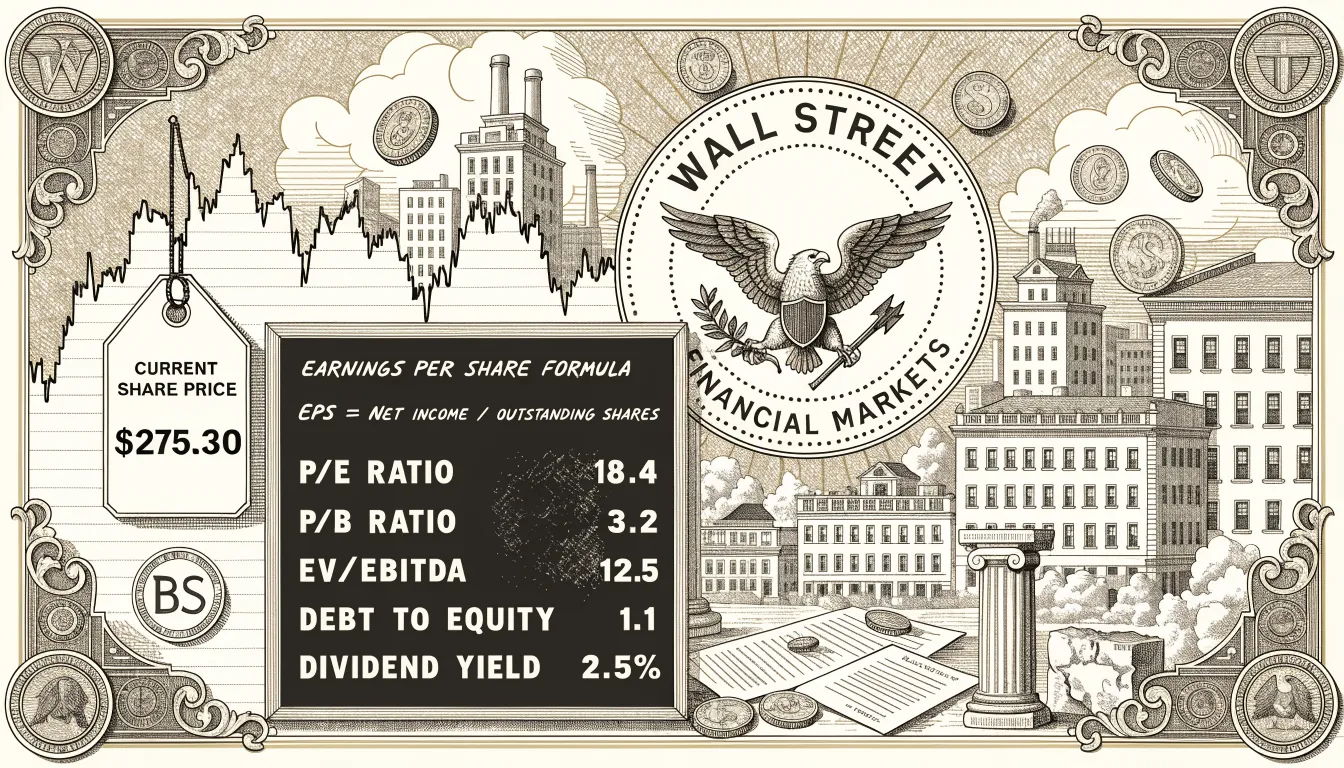
The price-to-earnings ratio, or P/E, divides a company’s share price by its earnings per share over the most recent twelve months. It expresses, in a single figure, how…
 Stock Trading Encyclopedia
Every price tick on every screen, from a one-cent move in Apple to a five-hundred-point drop in the Dow, is the visible output of a single mechanism: the…
 Stock Trading Encyclopedia
An order is the instruction you send to a broker to buy or sell shares under specified conditions. The choice of order type controls three things at once:…
 Stock Trading Encyclopedia
A Dividend Aristocrat is a member of the S&P 500 that has raised its dividend in each of the past 25 consecutive years. The criterion is more demanding…
 Stock Trading Encyclopedia
Penny stocks are equities trading at very low prices — the SEC draws the line at $5 per share, but most traders use the label for names under…
 Stock Trading Encyclopedia
A hedge fund is a privately managed investment vehicle that pools capital from wealthy individuals and institutional investors and deploys it across a wide range of strategies in…
 Stock Trading Encyclopedia
A stock index is a number that summarizes how a defined group of stocks is performing as a whole. It is built by selecting a universe of names,…
 Stock Trading Encyclopedia
A broker-dealer is a firm (or, less commonly, an individual) that does two distinct jobs: it executes trades on behalf of clients (the broker function) and it trades…
 Stock Trading Encyclopedia
Short selling is selling shares you don't own, with the plan to buy them back later at a lower price. You borrow stock from your broker, sell it…
 Stock Trading Encyclopedia
A bull market is a sustained rise of 20% or more from a recent market low, usually accompanied by widespread optimism, rising corporate earnings, and a growing economy.…
 Stock Trading Encyclopedia
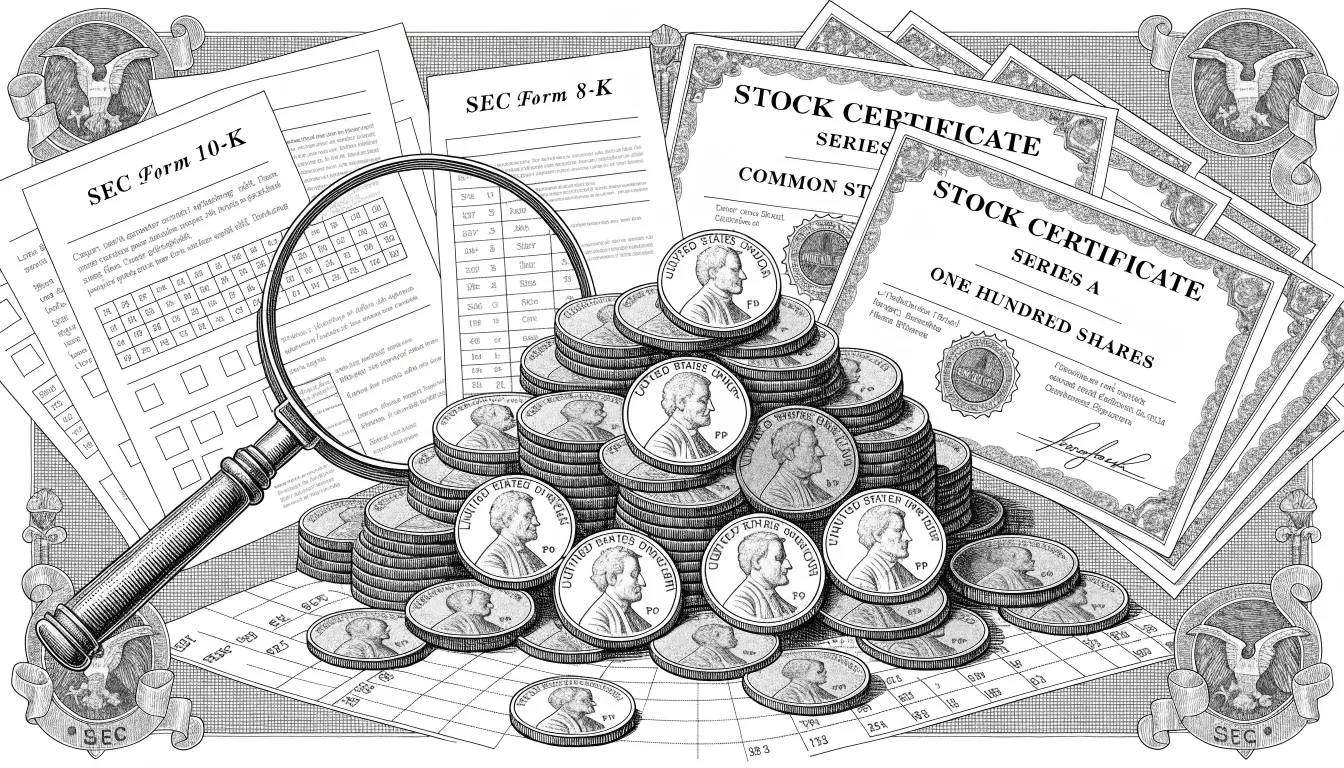
The Securities and Exchange Commission (SEC) defines a penny stock as any equity security trading below $5 per share that is not listed on a national securities exchange…
 Stock Trading Encyclopedia
An exchange-traded fund (ETF) is an investment fund that trades on a stock exchange the same way a single stock does. Each ETF holds a basket of assets…
 Stock Trading Encyclopedia
The New York Stock Exchange is the largest securities exchange in the world by aggregate market capitalisation of its listed issuers, with roughly 2,800 companies and a combined…
 Stock Trading Encyclopedia
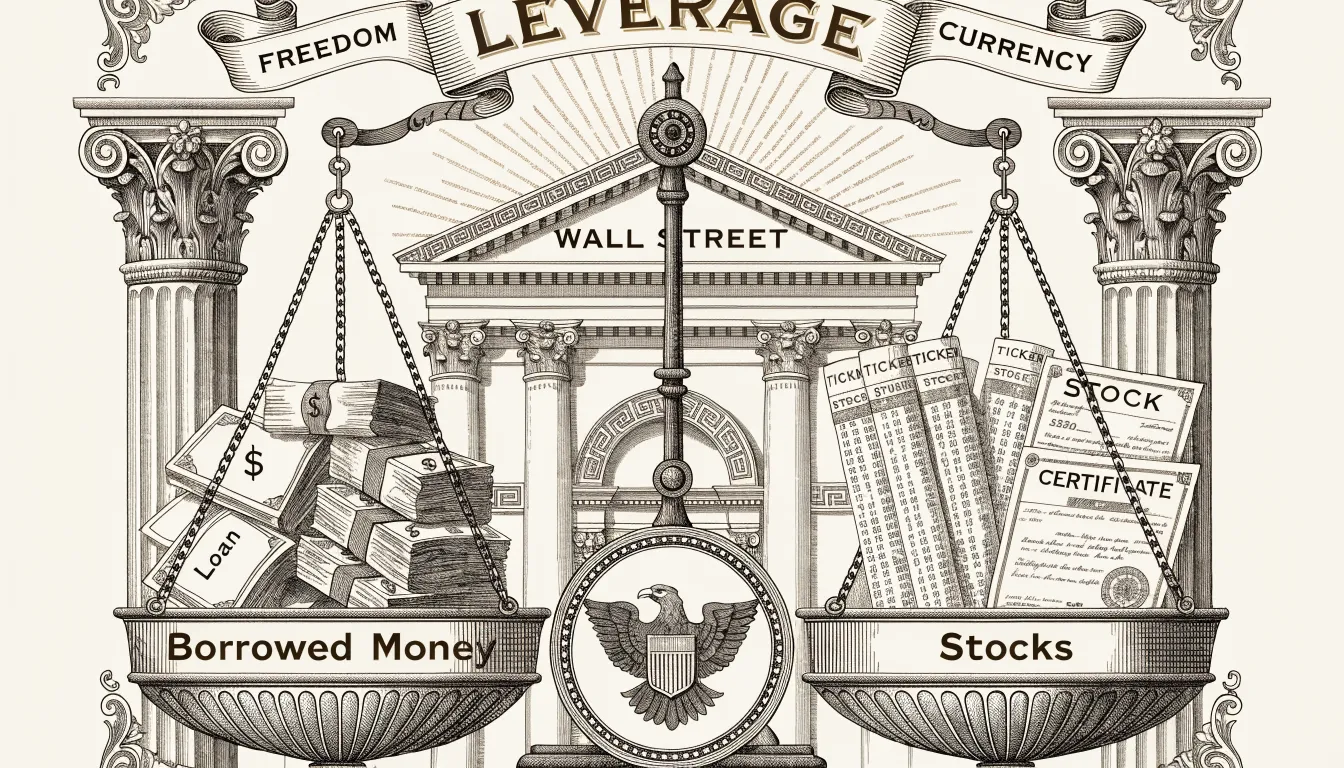
Margin trading means borrowing money from your broker to buy stocks, with your existing portfolio posted as collateral. Instead of paying the full price in cash, you put…
 Stock Trading Encyclopedia
Position sizing is the least exciting topic in this guide, and the most important. Nobody tells the story of a loss they cut at six percent. Nobody buys…
 Stock Trading Encyclopedia
Technical analysis is the study of price action and trading volume to forecast where a stock heads next. Fundamental analysis reads the company — earnings, balance sheet, business…
 Stock Trading Encyclopedia
Volume is the total number of shares traded in a given period. Most beginners look only at price and miss the second half of the signal. Price tells…
 Stock Trading Encyclopedia
A stock split is a corporate action that increases the number of a company's outstanding shares while proportionally reducing the price per share. In a 2-for-1 split, every…
 Stock Trading Encyclopedia
A stock is a share of ownership in a company. Buy one share and you own a small slice of that business — with a claim on its…
 Stock Trading Encyclopedia
A bear market is a decline of 20% or more from a recent market high, sustained for at least two months. The label is most often applied to…
 Stock Trading Encyclopedia
Market capitalisation (or "market cap") is the total market value of a company’s outstanding shares. The formula is simple: current share price multiplied by total shares outstanding. A…
 Stock Trading Encyclopedia
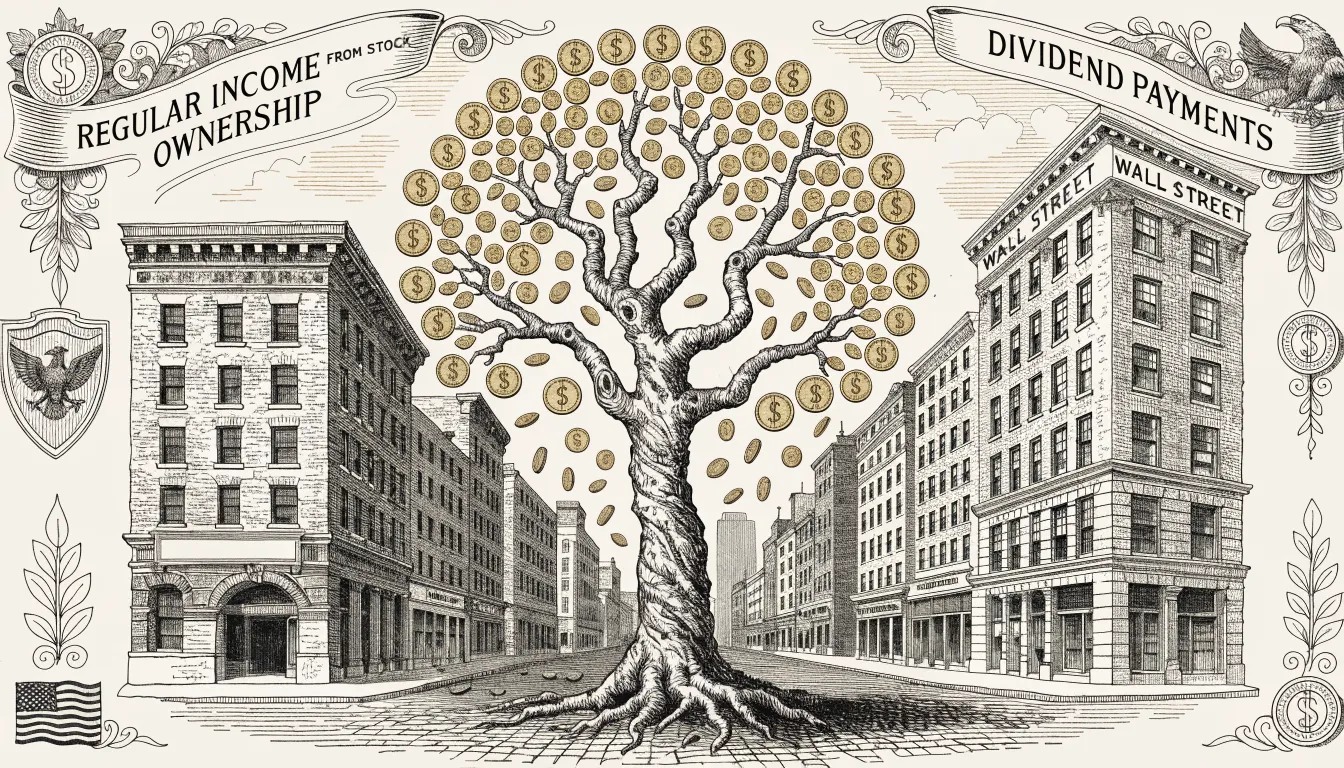
The dividend yield is a stock's annual dividend payment expressed as a percentage of its current share price. If a stock trades at $50 and pays $2.00 a…
 Stock Trading Encyclopedia
The US stock market's regular session runs from 9:30 AM to 4:00 PM Eastern Time, Monday through Friday. Trading does not stop when the closing bell rings. Pre-market…
 Stock Trading Encyclopedia
A dividend is a distribution of company profits paid in cash to shareholders. When a business generates more money than it needs to fund operations and reinvestment, the…
 Stock Trading Encyclopedia
An Initial Public Offering, or IPO, is the process by which a private company sells shares to the public for the first time. It marks the moment a…
 Stock Trading Encyclopedia
The NASDAQ is the second-largest stock exchange in the world and the first one built to run entirely on computers instead of a physical floor. It opened on…