 Market Crises & Events
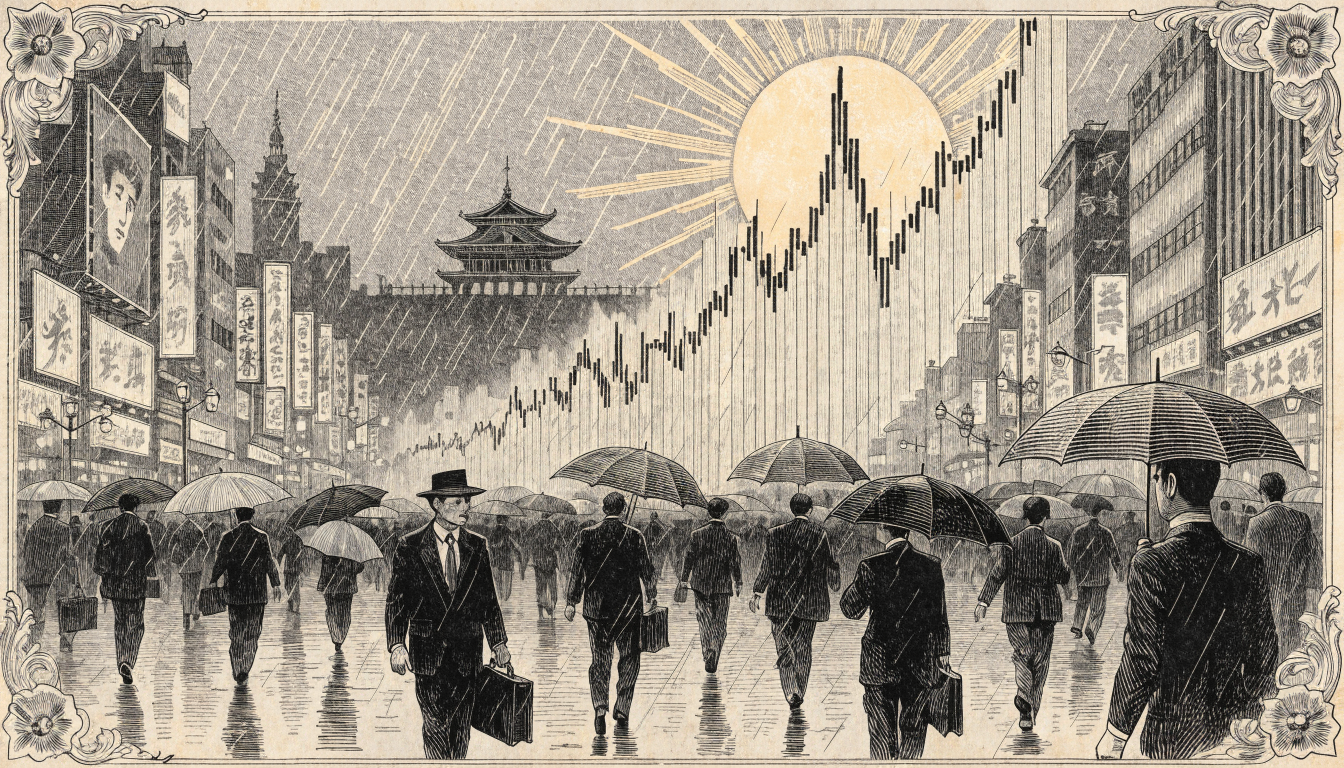
The Japan Asset Price Bubble (1986-1991)
At its 1989 peak, the land beneath the Imperial Palace in central Tokyo was reckoned to be worth more than the entire state of California, a claim that…
Market Crises & Events
At its 1989 peak, the land beneath the Imperial Palace in central Tokyo was reckoned to be worth more than the entire state of California, a claim that…
 Famous Traders & Investors
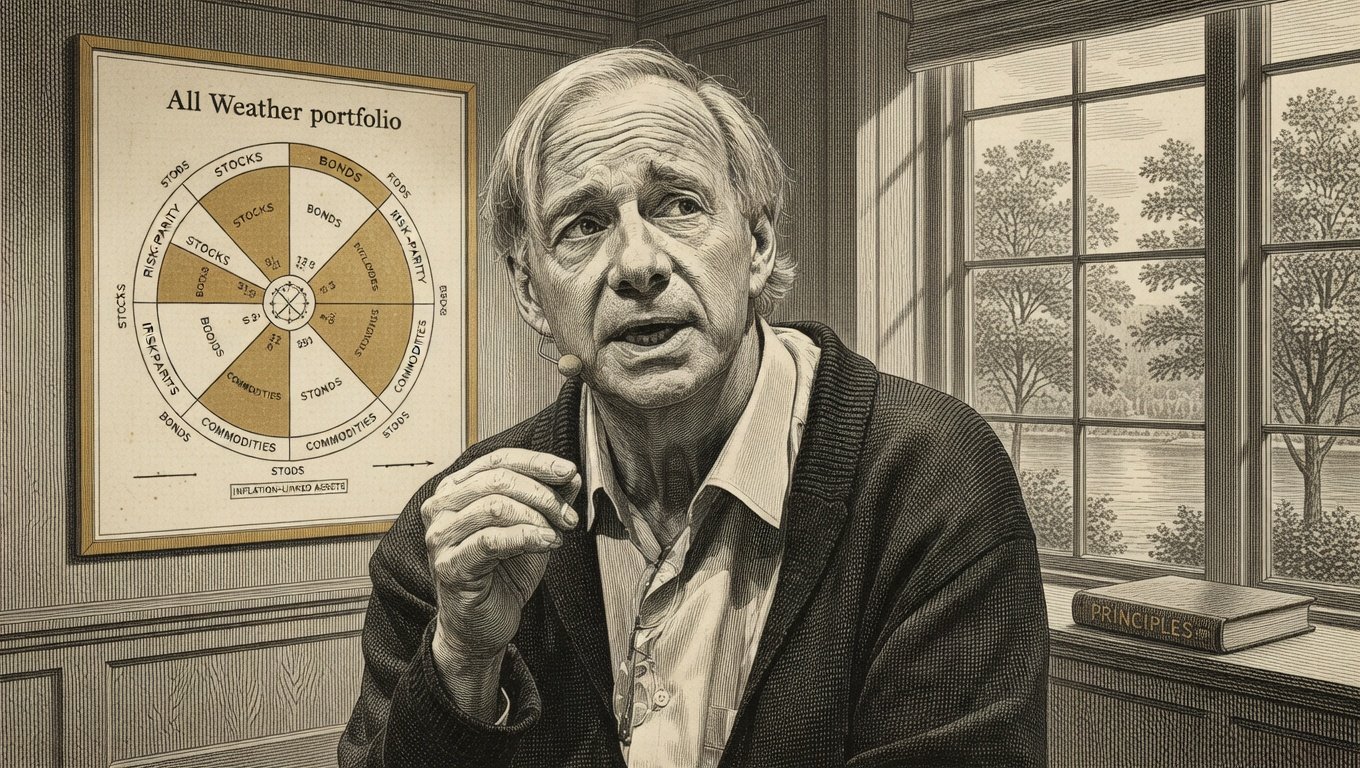
Ray Dalio (born 1949) testified to a congressional committee in 1982 that the developing-world debt build-up would trigger a global contraction; he was, intellectually, half-right and, practically, almost…
 Stock Trading Encyclopedia
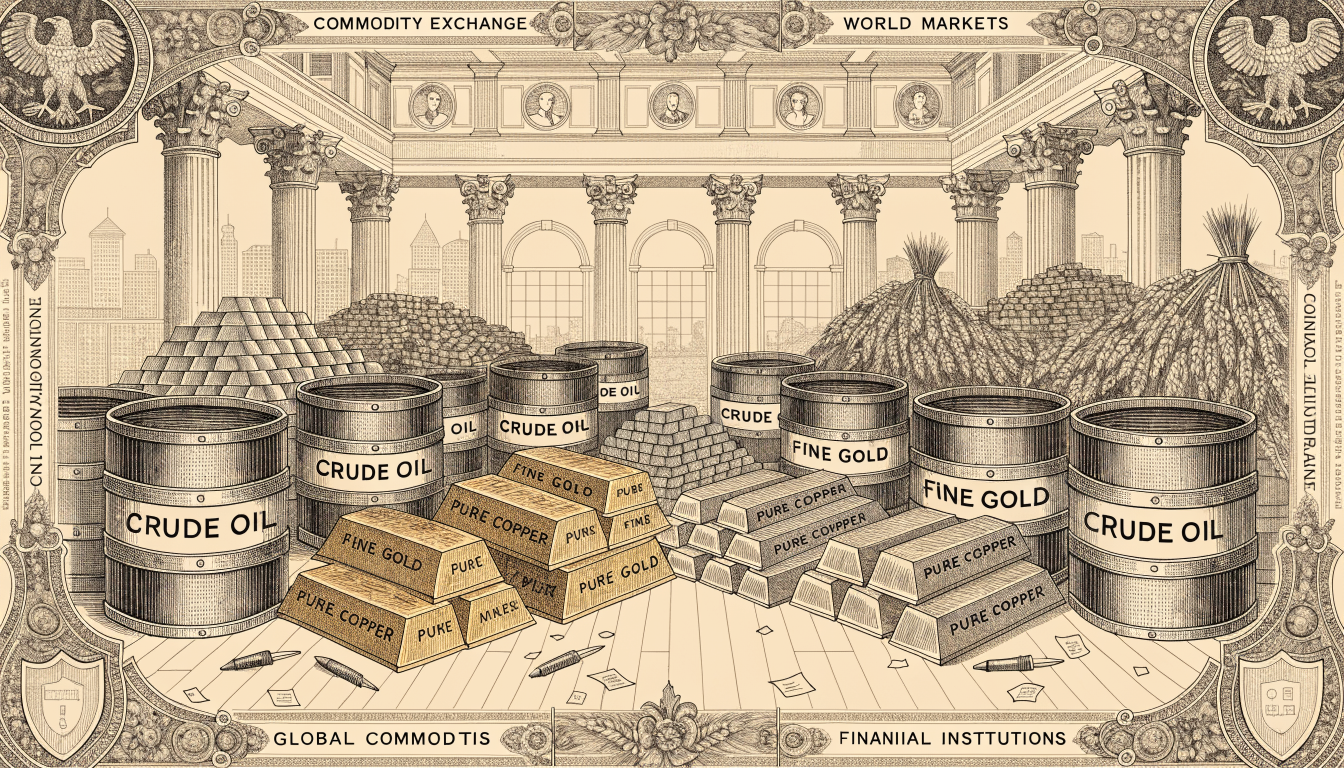
A commodity is a raw material or primary agricultural product that trades on the basis of being interchangeable with every other unit of the same grade — a…
 Economics 101
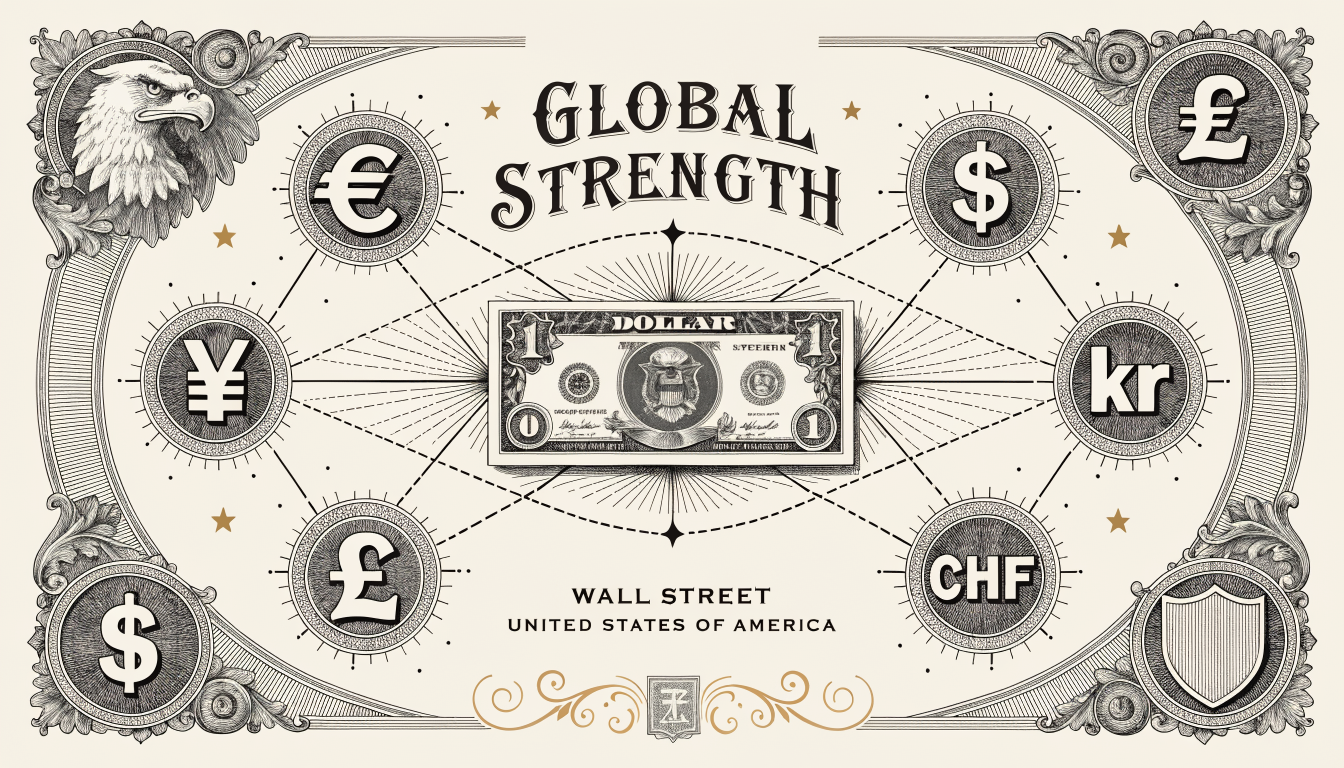
The US Dollar Index (DXY) measures the value of the US dollar against a basket of six major foreign currencies. It was created in March 1973, in the…
 Market Crises & Events
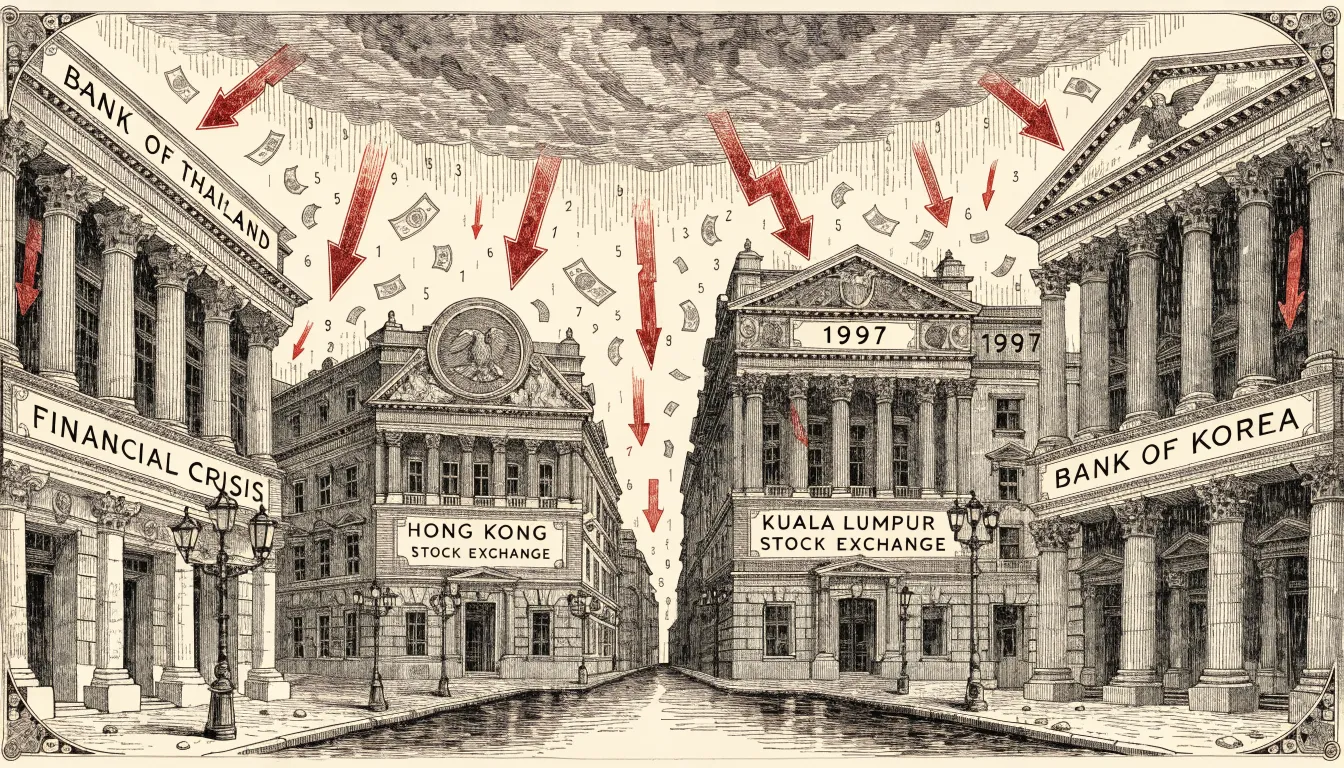
On July 2, 1997, the Bank of Thailand abandoned the baht’s peg to the US dollar, and the currency lost roughly a fifth of its value before the…
 Famous Traders & Investors
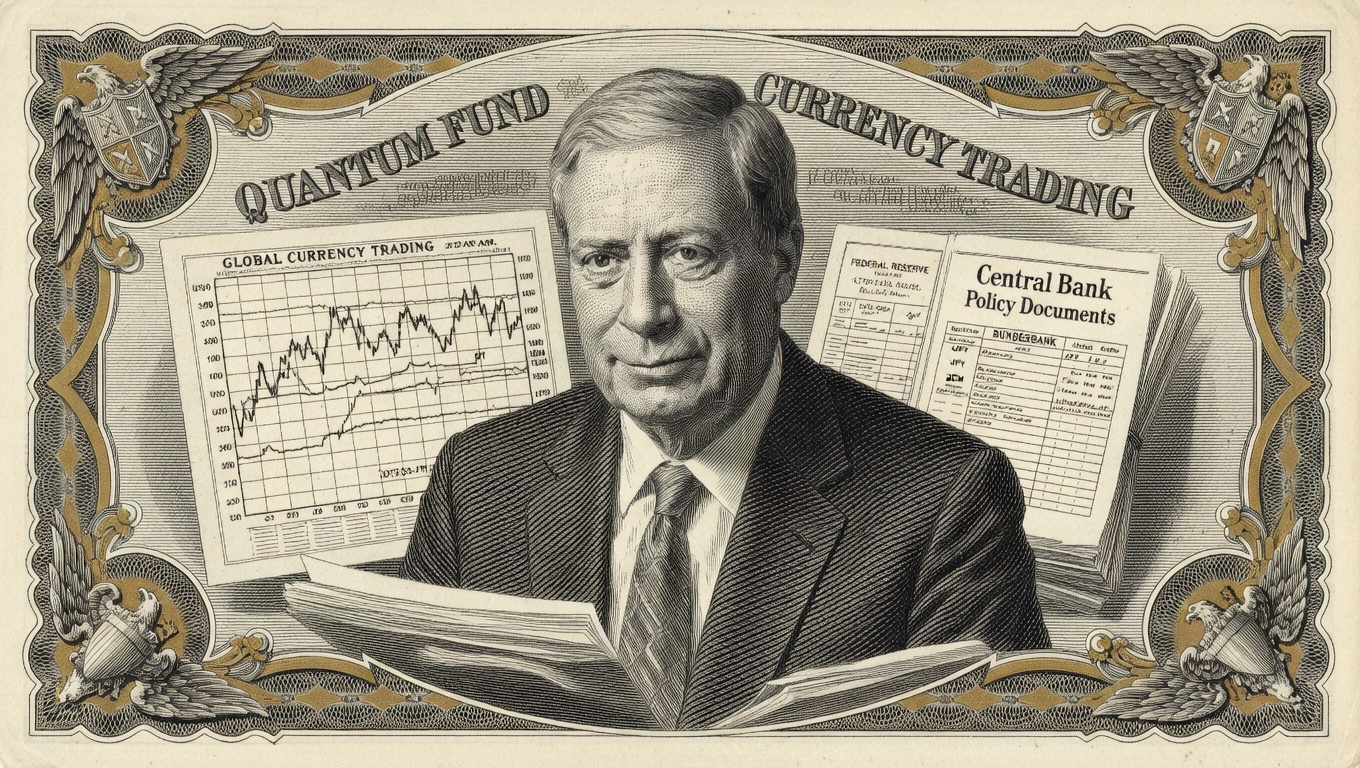
Stanley Druckenmiller (born 1953) compounded capital at roughly 30% a year for three decades at Duquesne Capital Management without posting a single calendar-year loss, which is the sort…
 Stock Trading Encyclopedia
A hedge fund is a privately managed investment vehicle that pools capital from wealthy individuals and institutional investors and deploys it across a wide range of strategies in…
 Famous Traders & Investors
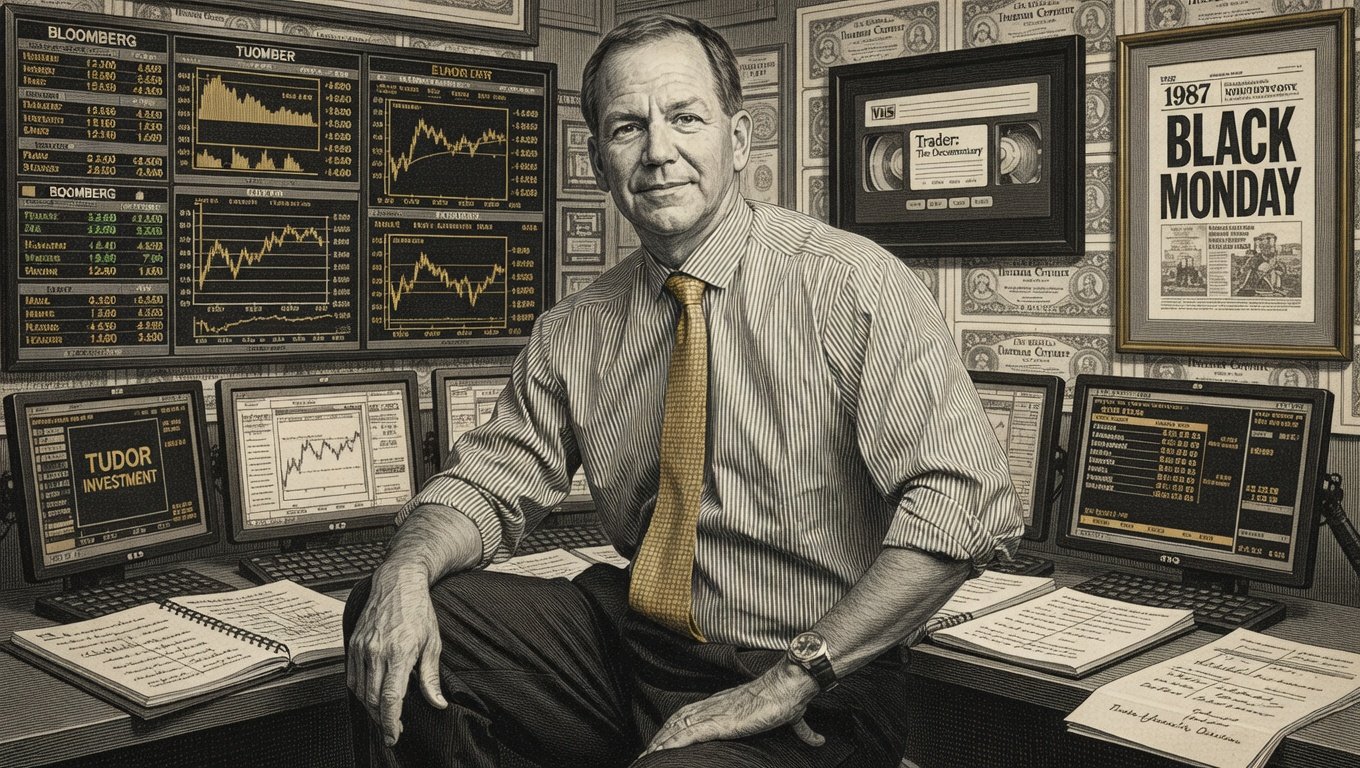
Paul Tudor Jones II, born in 1954, compounded roughly 19.5% a year for three decades at Tudor Investment Corporation with one losing year, and that one a rounding…
 Economics 101
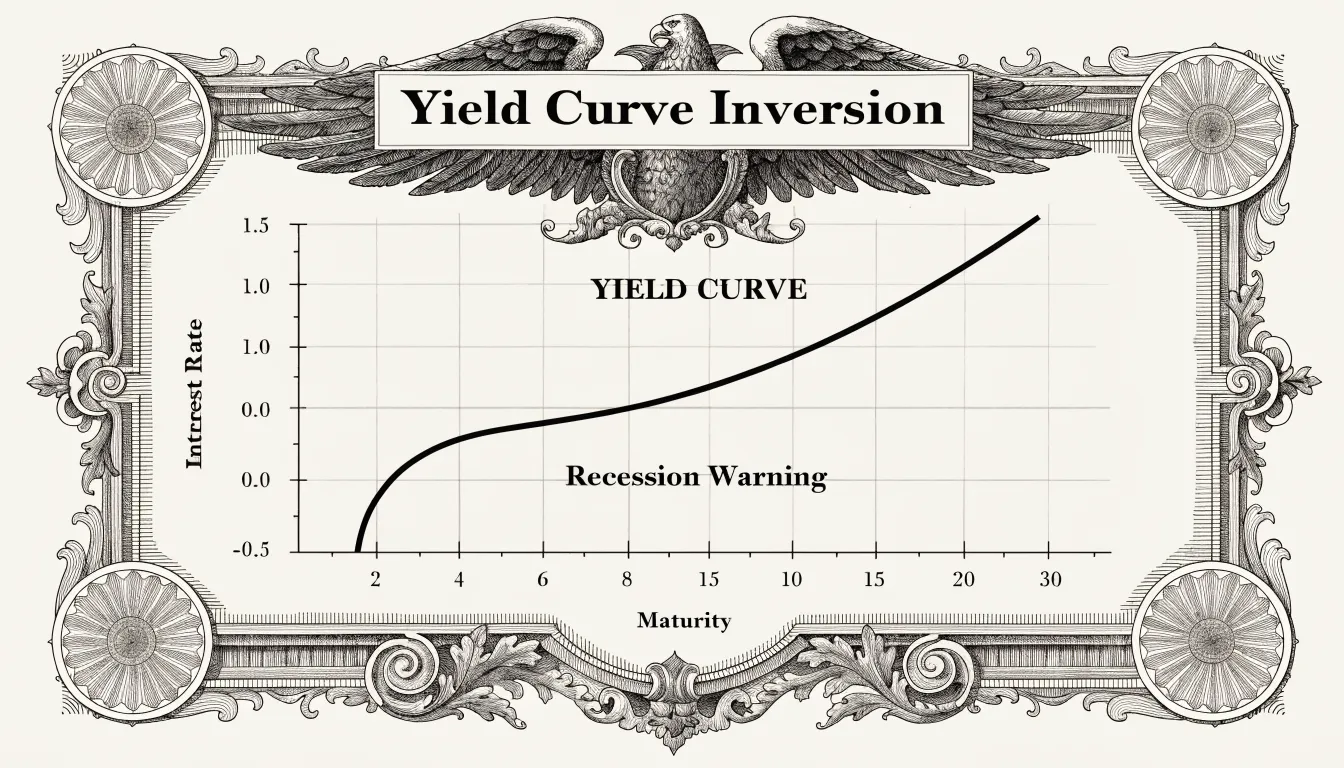
The yield curve is a graph that plots the interest rates of US Treasury bonds across the maturity spectrum, from the 1-month bill out to the 30-year bond.…
 Economics 101
A recession is a significant, broad-based decline in economic activity lasting more than a few months. The popular shorthand — two consecutive quarters of negative GDP growth —…
 Economics 101
Gross Domestic Product (GDP) is the total monetary value of all finished goods and services produced inside a country’s borders during a specific period, usually a quarter or…
 Trading Strategies
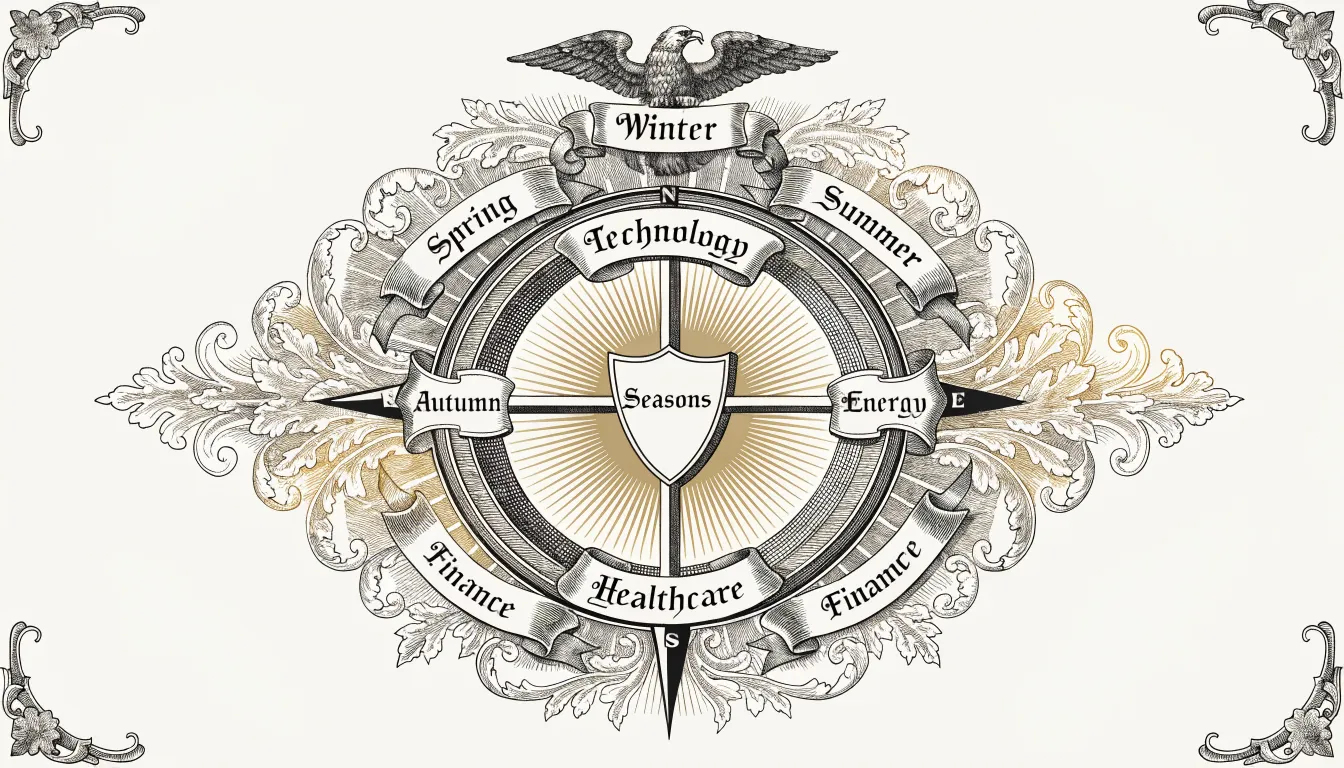
Sector rotation is the discipline of moving capital across the eleven S&P 500 sectors according to where the economy sits in its cycle. The underlying claim is unglamorous…
 Economics 101
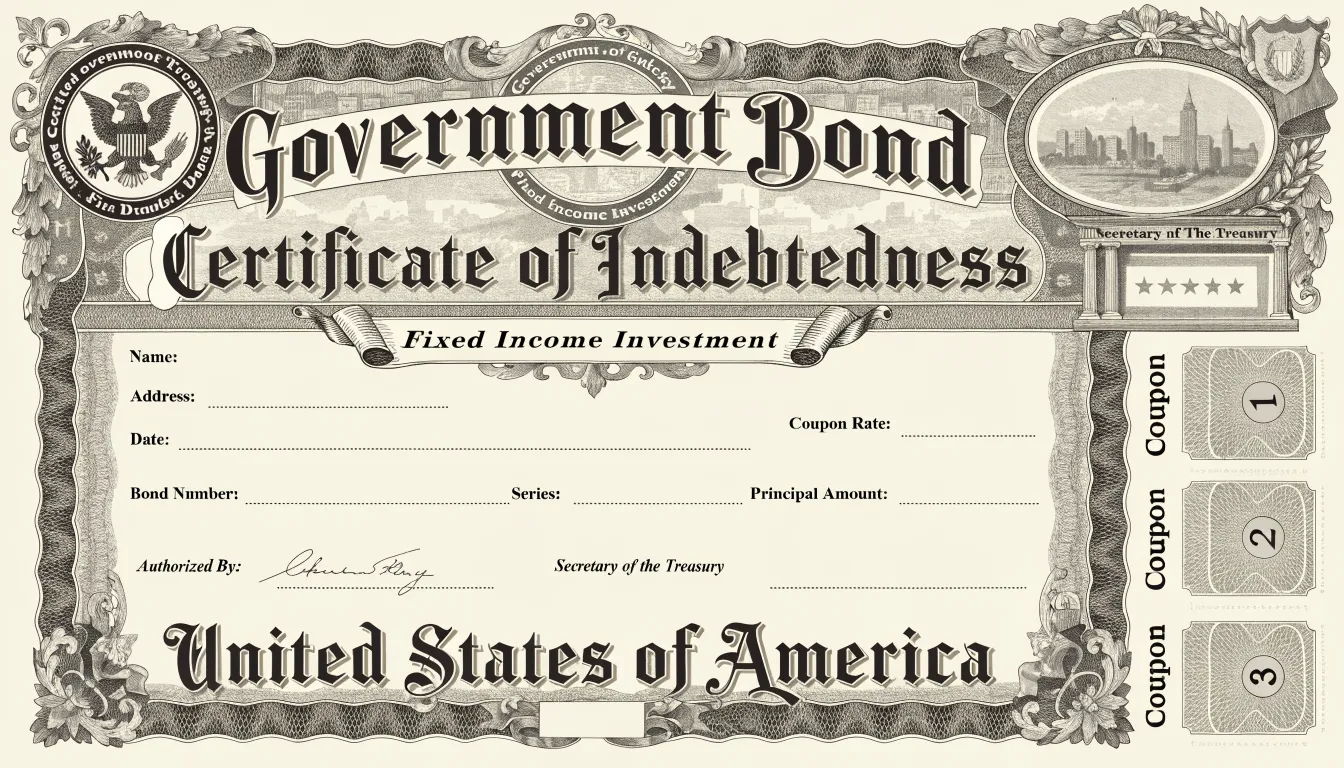
A bond is a loan extended to a government or a corporation. The buyer is the lender; the issuer is the borrower. In return, the issuer pays scheduled…
 Economics 101
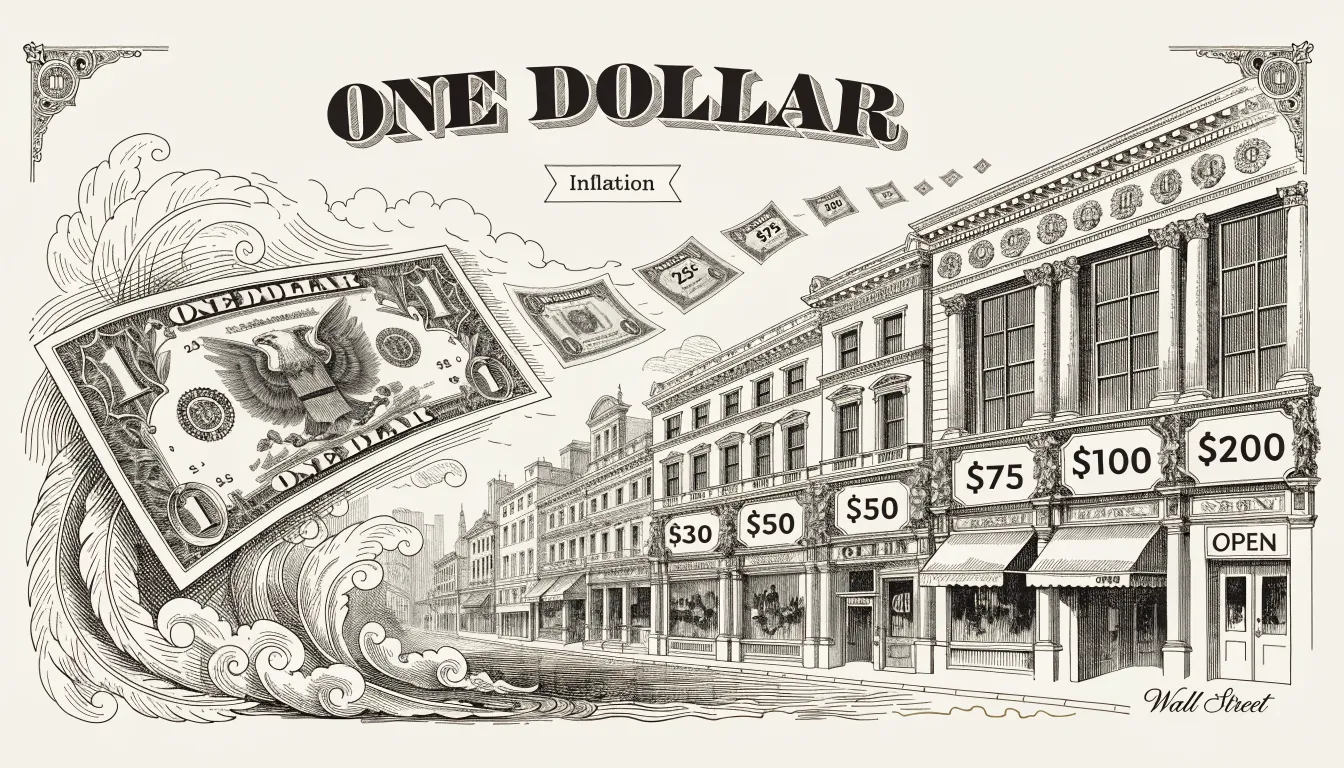
Inflation is the rate at which the general price level of goods and services rises over time, eroding the purchasing power of money. At a 3% annual rate,…
 Economics 101
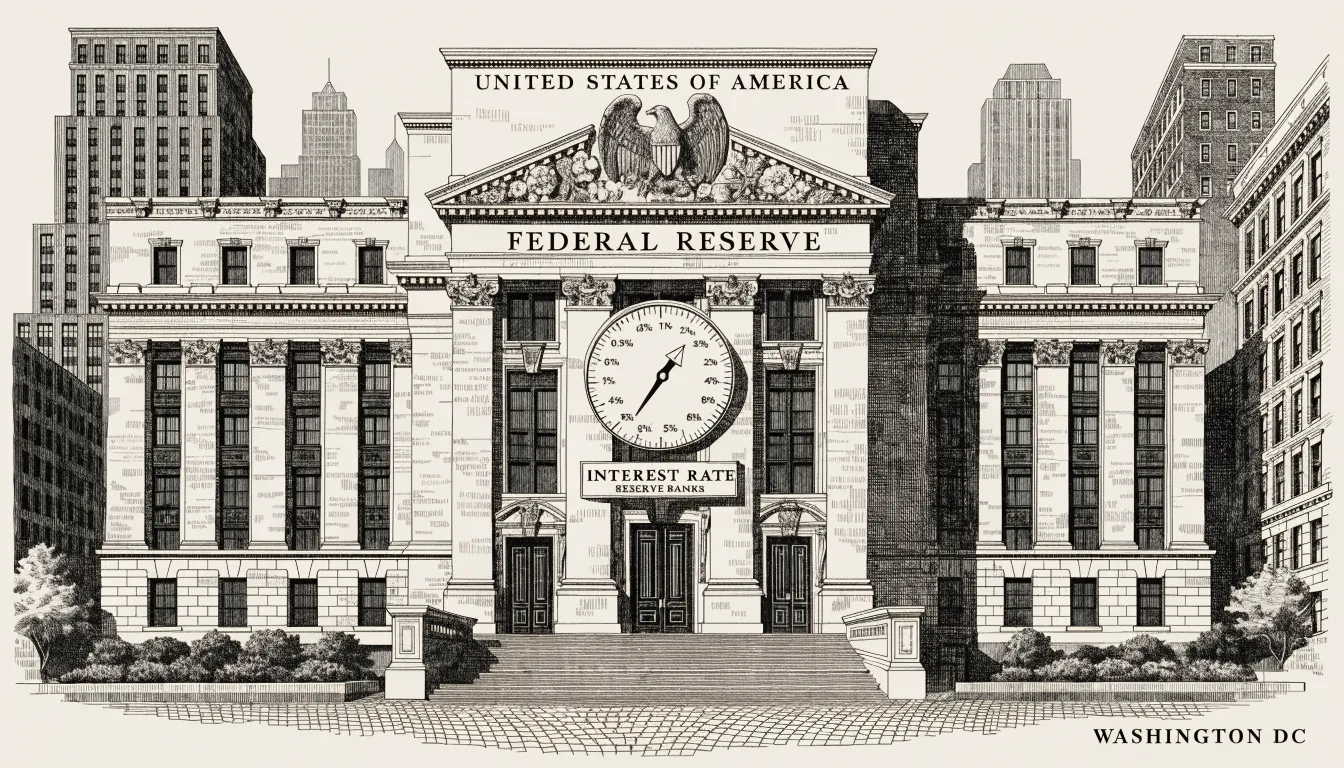
The Federal Reserve is the central bank of the United States, and the rate decisions taken by its Federal Open Market Committee determine, in the round, how capital…
 Famous Traders & Investors
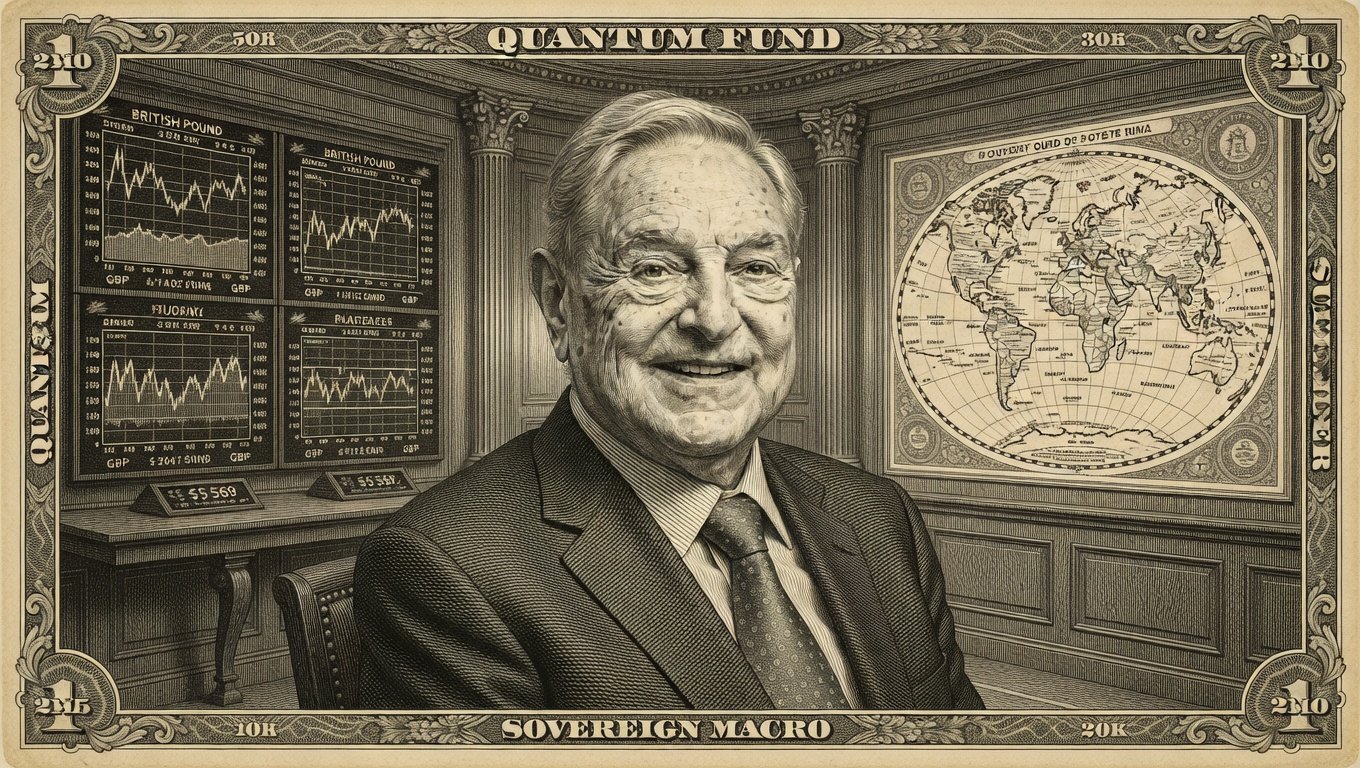
The interesting thing about George Soros is not the billion dollars made on sterling in September 1992, nor the Quantum Fund’s thirty-percent compound, nor even the philosophical edifice…