 Famous Traders & Investors
Michael James Burry’s 2005–2008 short of the United States subprime mortgage market is one of the most thoroughly documented profitable trades in modern financial history. The instrument did…
11 min readMar 7
 Famous Traders & Investors
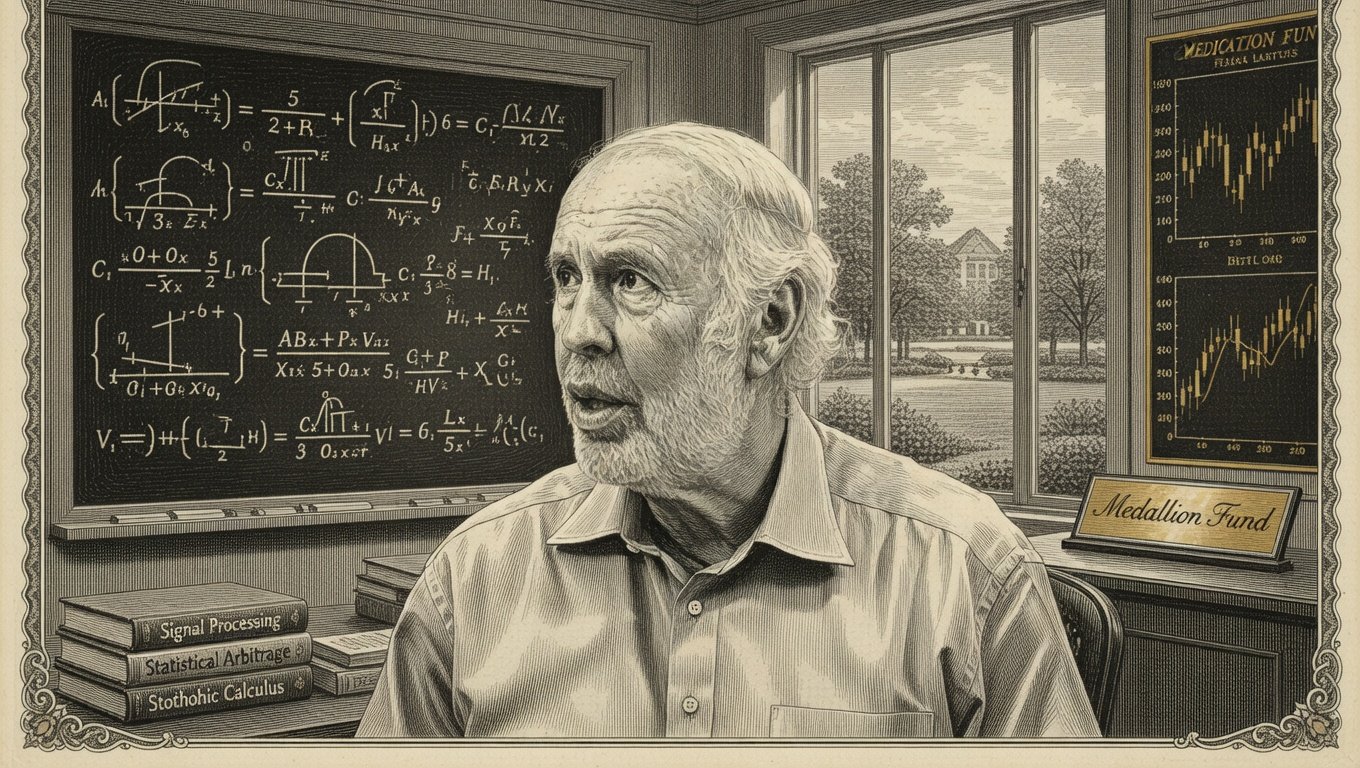
From 1988 to 2018, the Medallion Fund at Renaissance Technologies produced gross returns of roughly 66% per year before fees and roughly 39% after fees, sustained across thirty…
10 min readFeb 16
 Options & Derivatives
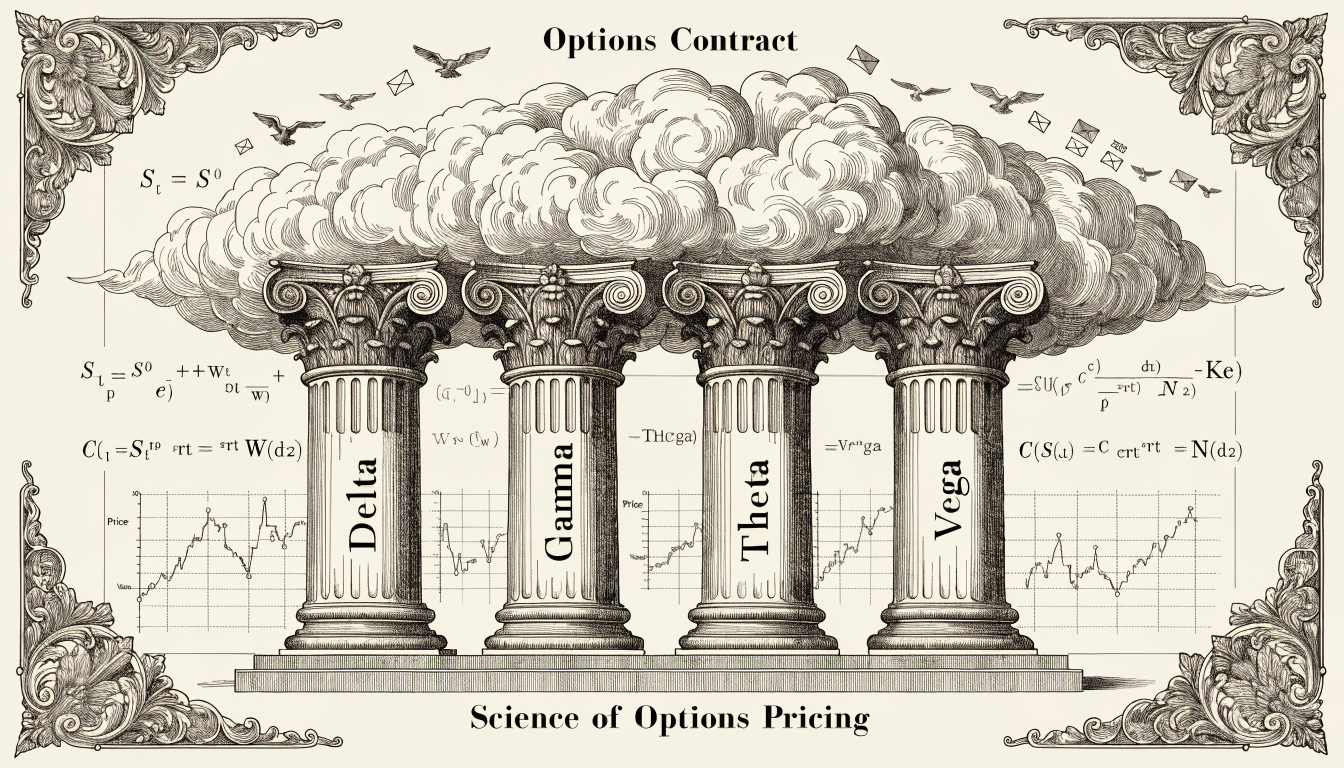
The four Options Greeks — Δ (Delta), Γ (Gamma), Θ (Theta), and ν (Vega) — are partial derivatives of the option price with respect to four of its…
11 min readJan 10
 Economics 101
The Efficient Market Hypothesis (EMH) states that asset prices reflect available information, with the consequence that systematically generating excess returns through technical analysis, fundamental analysis, or any other…
5 min readDec 28
 Risk Management & Psychology
The risk/reward ratio (R:R) of a trade is the ratio of expected gain to risked loss, defined per trade as (target − entry) / (entry − stop) for…
9 min readDec 3
 Market Crises & Events
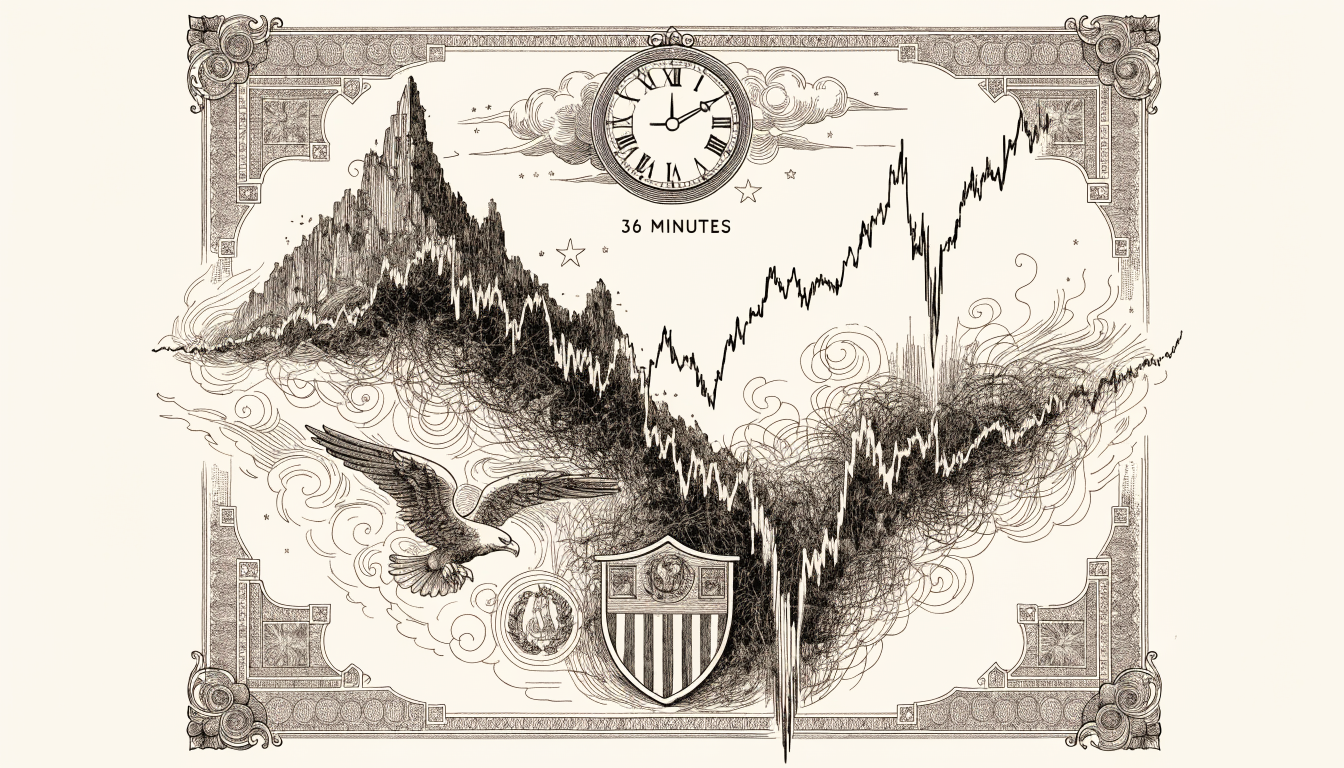
The cleanest way to read May 6, 2010 is as a feedback loop with no saturation term. A volume-participation algorithm sells faster as traded volume rises; faster selling…
12 min readOct 19
 Market Crises & Events
A balance-sheet leverage ratio of 30:1 means that a 3.3% adverse move on notional wipes out the equity base. That is the arithmetic, before anything is said about…
12 min readSep 10
 Trading Strategies
Pairs trading is a strategy that takes a position in the spread between two correlated stocks rather than in either stock individually. The trader goes long one name…
9 min readMay 19
 Technical Analysis
The Volume Weighted Average Price (VWAP) is the running average of trade prices through a session, with each price weighted by the volume that printed at it. A…
8 min readApr 15
 Trading Strategies
Mean reversion is a property of certain stochastic processes: values that drift away from a long-run central tendency exhibit a measurable pull back toward it. In equity markets,…
9 min readMar 3
 Options & Derivatives
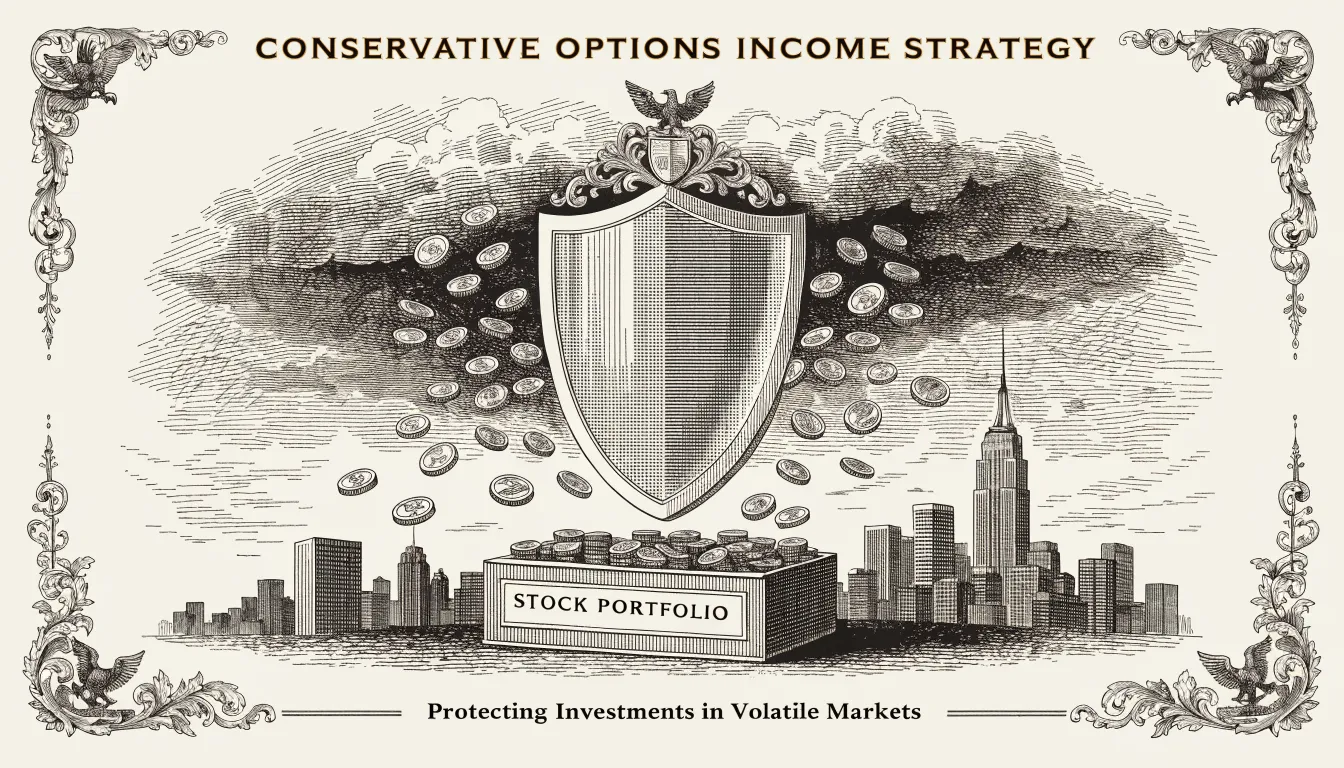
A covered call is a position composed of 100 shares of an underlying long, plus one short call written on those shares. The premium received from the short…
8 min readFeb 12
 Options & Derivatives
An option is a contract whose payoff is a non-linear function of an underlying asset's price at a future date. The buyer pays a fixed amount today (the…
8 min readFeb 7
 Trading Strategies
A gap is a discontinuity in the price series: the open of session t prints at a level meaningfully different from the close of session t-1, with no…
8 min readJan 25
 Technical Analysis
Bollinger Bands are a volatility envelope wrapped around a 20-period simple moving average. The upper and lower lines sit at ±2σ of the closing-price series, computed over the…
8 min readSep 2